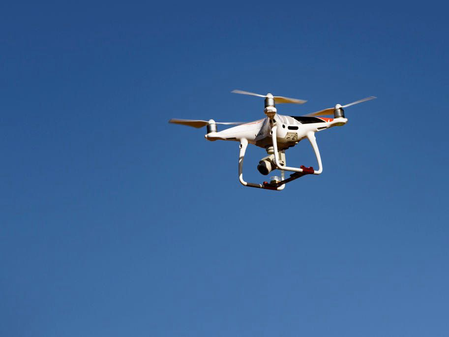
New Delhi, July 16 (IANS) The Indian Council of Medical Research’s flagship i-DRONE initiative demonstrated that drone‑assisted transport of TB sputum samples improved access to diagnostic services for people living in remote and underserved areas in the Yadadri‑Bhuvanagiri district, Telangana, the government said on Thursday.
The program enrolled 840 participants and found that the median turnaround time for TB diagnosis decreased from 15 days to 5 days following the introduction of drone-based sample transport, an official statement said.
Diagnostic delays were also significantly reduced, enabling earlier confirmation of disease and facilitating faster clinical decision-making.
The study compared the conventional system of patient travel for TB diagnosis with a drone-enabled model in which sputum samples were collected at nearby Primary Health Centres (PHCs) and sub-centres (SCs) and transported by drones to designated TB diagnostic laboratories (TUs), the statement from Ministry of Health and Family Welfare said.
The mean out‑of‑pocket expenditure for patients dropped from about Rs 9,451 to Rs 91. The intervention reduced travel costs and wage loss by enabling local sputum collection. Notably, the median OOPE during the drone phase was zero, indicating that many participants incurred no travel-related expenses for diagnosis.
The intervention was implemented through a hub-and-spoke network connecting 11 Primary Health Centres, 60 sub-centres and four TB Units, allowing patients to submit sputum samples at health facilities nearer to their villages instead of travelling long distances to diagnostic centres.
“Affordable and timely access to diagnosis remains central to India’s TB elimination efforts. This study demonstrates how technology can help bridge geographical barriers and reduce the burden on patients, particularly those living in remote areas,” said Dr. Rajiv Bahl, Secretary, Department of Health Research and Director General, ICMR.
The evidence generated through the i-DRONE initiative will inform future public health innovations while complementing existing healthcare delivery systems, he added.
Healthcare workers reported that drone-enabled transport reduced delays, improved operational efficiency and was well accepted by communities after initial familiarisation.
The study also identified operational considerations such as weather, payload limitations and the need for continued training, underscoring the importance of careful planning for wider implementation.
—IANS
aar/ag