New Delhi, Sep 20 (IANS) In a comprehensive CBSE Talkathon focused on creating a drug-free generation, experts from psychiatry, narcotics control and school education joined students to dismantle myths around substance use and stress the importance of timely intervention.
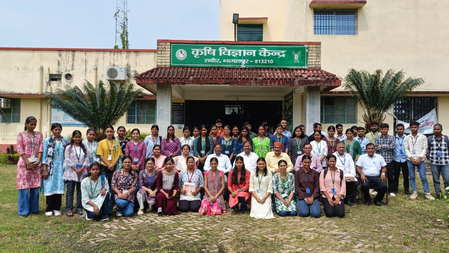
The discussion featured Principal Alka Awasthi of Mayur School, Noida; Prof. Nand Kumar from AIIMS New Delhi’s Department of Psychiatry; Anish C, Additional Director of the Narcotics Control Bureau; and Class 12 students Samya and Rohit.
CBSE Talkathon, a series of live virtual sessions conducted by the Central Board of Secondary Education, allows specialists to speak directly to students and teachers about well-being and learning. One edition centred on the Nasha Mukt Yuva (Drug-Free Youth) campaign, aimed at building awareness to combat substance abuse.
Nand Kumar explained that drugs hijack the brain’s reward circuit, creating intense pleasure that ordinary activities cannot match. He said this diminishes the brain’s ability to enjoy everyday joys, leading to repeated use and eventual dependence. Physical damage varies—alcohol harms the liver and stomach, cigarettes damage the lungs—but the brain remains the primary target. He rejected the idea that occasional use is harmless, noting that even infrequent consumption trains the brain to rely on substances for relaxation.
He also dismissed the belief that drugs improve concentration, saying they blunt natural alertness and long-term cognitive function. Sudden cessation may cause mild changes in attention, sleep or mood, but these are signs of dependence that require professional support.
Anish highlighted the dangers of social media, calling it a “necessary evil” that often normalises drug use or offers suspicious delivery jobs and easy money. He urged students never to accept unknown packages or respond to such messages, as they may be entry points into trafficking networks. He pointed to the NCB’s national helpline 1933 (MANAS: Madak-Padarth Nishedh Asoochna Kendra) as a confidential channel for reporting suspicious activity.
Principal Alka Awasthi emphasised that academically strong students are not immune. Early use may not show a decline, but over time grades drop, absenteeism rises, secrecy increases, self-care deteriorates, and unexplained expenditure grows. Warning signs include red or unusually dilated pupils, mood swings, irritability and withdrawal from friends and family.
The experts agreed that prevention is better than cure, but once someone is caught in the cycle, condemnation only deepens isolation. Empathy, patient listening and non-judgmental support are essential. Schools already have peer educators and counsellors who can be approached discreetly.
The session sent a clear call: awareness of how substances affect the brain and body is the strongest shield.
–IANS
sktrdan