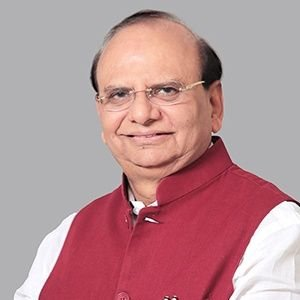
Leh, Oct 21 (IANS) To carry democracy to the grassroots level in the Ladakh region, Lt Governor V.K. Saxena on Wednesday notified 100 constituencies for the eight Ladakh Autonomous Hill Development Councils.
In a post on X, the L-G wrote, “A historic milestone for grassroots democracy in Ladakh!
“Under the LAHDC (Amendment) Regulation, 2026, I have officially notified 100 constituencies for the eight Ladakh Autonomous Hill Development Councils.
“This almost doubles the number of councillors from the existing 52 to 100, across our newly structured councils – Leh: 22, Kargil: 21, Sankoo: 13, Changthang: 10, Nubra, Sham & Zanskar: 9 each and Drass: 7.
“This is a rational and fair apportionment that uses panchayat halqas and municipal wards as foundational units, giving due weight to both elector population and geographical area.
“I am confident that the increased number of seats will significantly enhance local representation, strengthen grassroots democracy, and promote inclusive governance across every corner of Ladakh”.
The core significance of the decision is almost doubling the Council Strength: The move almost doubles the total number of elected seats across Ladakh from the previous 52 seats to 100 seats. This drastically expands local political participation.
Previously, elected hill councils only existed in the Leh and Kargil districts. Following Ladakh’s district re-organisation in 2026, this framework officially extends full council powers to all six newly created districts: Sham, Nubra, Changthang, Zanskar, Drass and Sanjoo.
According to the Ladakh Administration, the constituencies have been rationalised using local panchayat halqas and municipal wards as baseline units. This ensures a fair distribution based on geographic area and population density.
Each of the eight councils will wield comprehensive district-level authority, including powers over land allocation, managing dedicated council funds, levying local taxes, and regulating recruitment for district-cadre employment.
The underlying regulation incorporates targeted nominations for four additional members to represent women and previously unrepresented communities, ensuring more inclusive decision-making.
–IANS
sq/uk