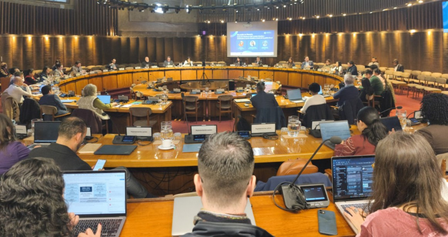
Baku (Azerbaijan), Sep 7 (IANS) The fourth United Nations Climate Week opened in Azerbaijan’s capital on Monday, bringing together governments, financial institutions, businesses and climate experts as pressure mounts on countries to translate years of climate pledges into measurable action.
The five-day meeting, being held at the Baku Convention Center from September 7 to 11, comes just weeks before the next UN climate summit, COP31, and is expected to focus heavily on implementation, climate finance, adaptation and transparency.
The gathering is hosted by the Azerbaijani government and forms part of the UN Framework Convention on Climate Change’s efforts to bridge the widening gap between decisions negotiated at global summits and action on the ground.
The opening day features a high-level dialogue on strengthening implementation of the Paris Agreement’s Enhanced Transparency Framework, under which countries are required to report progress on emissions cuts, adaptation and climate support.
The dialogue, involving the presidencies of COP29 (Azerbaijan), COP30 (Brazil) and incoming COP31 (Turkey), is aimed at building political momentum for improved climate reporting and identifying gaps in support for developing countries. Other discussions during the week will address carbon markets, adaptation, just transition, nationally determined contributions and the mobilisation of finance for climate action.
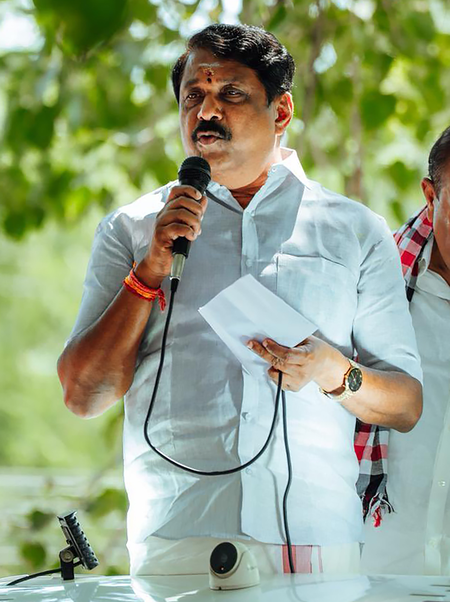
“Baku Climate Week convenes under the shadow of relentless planetary breakdown. Across the globe, temperatures are shattering records, deadly heatwaves are suffocating cities, and supercharged storms are devastating communities. The catastrophic floods in Nepal, triggered by melting glaciers, show the horrifying cost of delay,” Harjeet Singh, global convenor of the Fill The Fund campaign, told IANS.
“Ministers and experts gathering in Baku cannot treat this as a routine exercise. Advancing solutions on adaptation, loss and damage, and a just transition is vital, but technical fixes are meaningless unless they are firmly anchored in climate justice,” he added.
A workshop under the Baku Adaptation Roadmap and the Global Goal on Adaptation is also scheduled for the opening days, reflecting growing concern over countries’ ability to prepare for increasingly frequent and severe climate impacts.
The centrepiece of the week, the Climate Week Implementation Forum, will be held on September 9 and 10, bringing together governments and non-state actors to explore practical ways of accelerating delivery of climate commitments.
Climate Weeks were redesigned by the UNFCCC in 2025 as a twice-yearly platform intended to move the international climate process beyond negotiations and towards implementation.
The first two meetings under the new format were held in Panama City and Addis Ababa in 2025, followed by Climate Week III in Yeosu, South Korea, in April this year.
Baku’s meeting takes place against a backdrop of mounting concern over the pace of global climate action and persistent disagreements over who should pay for the transition to cleaner economies and help vulnerable countries cope with climate-related disasters.
Climate finance remains one of the most politically sensitive issues in the UN negotiations, particularly as developing nations argue that existing commitments fall far short of the resources needed for adaptation, clean energy and loss and damage caused by extreme weather.
“The world must put relentless pressure on developed countries to honour their legal and moral obligations: they must deliver the public climate finance so desperately needed and accelerate the fair phase-out of fossil fuels once and for all,” Singh said.
The event is also expected to feed into preparations for COP31, where governments will face renewed pressure to strengthen national climate plans and demonstrate that commitments made under the Paris Agreement are being implemented.
The incoming COP31 presidency has identified implementation, international cooperation, investment and scalable climate solutions as central priorities on the road to the summit.
Alongside the UNFCCC gathering, Baku Climate Action Week 2026 is being held in the city, bringing additional participation from investors, businesses, civil society groups and other non-state actors.
Azerbaijan, which has sought to strengthen its profile in global climate diplomacy, says the twin events will focus on practical climate action and international cooperation.
The challenge facing delegates is increasingly clear: after years of negotiations, targets and declarations, the credibility of the global climate process will depend on whether governments can demonstrate real progress in cutting emissions, mobilising finance and protecting communities already facing the consequences of a warming planet.
For Baku, however, the significance of the week extends beyond diplomacy as the walled city, with much of its 12th-century defensive walls, is becoming an important platform for the global climate agenda.
–IANS
vg/snj/skp