Ranchi, April 10 (IANS) The Jharkhand government has taken a strict stance on the disposal of bio-medical waste, making it clear that untreated waste must not be stored for more than 48 hours under any circumstances.
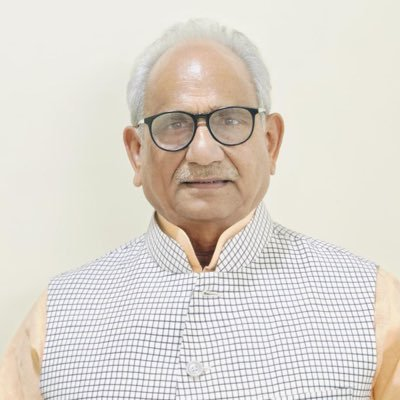
At a high-level meeting held on Friday, chaired by Ajay Kumar Singh, Additional Chief Secretary of the Department of Health, Medical Education and Family Welfare, Jharkhand, it was decided to formulate a comprehensive new framework for bio-medical waste management in the state.
Under the proposed government guidelines, the existing barcoding and GPS-based tracking systems will be further strengthened to ensure end-to-end monitoring of waste handling.
The government said special emphasis has been placed on enforcing the 48-hour disposal deadline to reduce the risks of infection and environmental contamination.
Additional Chief Secretary Ajay Kumar Singh stressed that negligence in bio-medical waste management will not be tolerated, citing its direct impact on public health and the environment.
He directed officials to ensure that the entire process — from collection to final disposal — is carried out scientifically and transparently.
Officials informed the meeting that five Common Bio-medical Waste Treatment Facilities are currently operational in the state and are handling waste disposal safely. The new measures are expected to further improve the system’s efficiency in the state.
They said strict action will be taken against hospitals and healthcare institutions found violating the norms, including the imposition of environmental compensation and possible cancellation of registration.
Additionally, directions have been issued to ensure scientific disposal methods, such as deep burial, are followed in remote and inaccessible areas.
Officials expressed confidence that the new guidelines will make Jharkhand’s bio-medical waste management system more effective, accountable, and secure.’
Bio-medical waste management is a systematic process of segregating, collecting, transporting, treating, and safely disposing of waste generated during the diagnosis, treatment, or immunisation of humans/animals at a health facility.
–IANS
snc/skp/uk